Selected Work
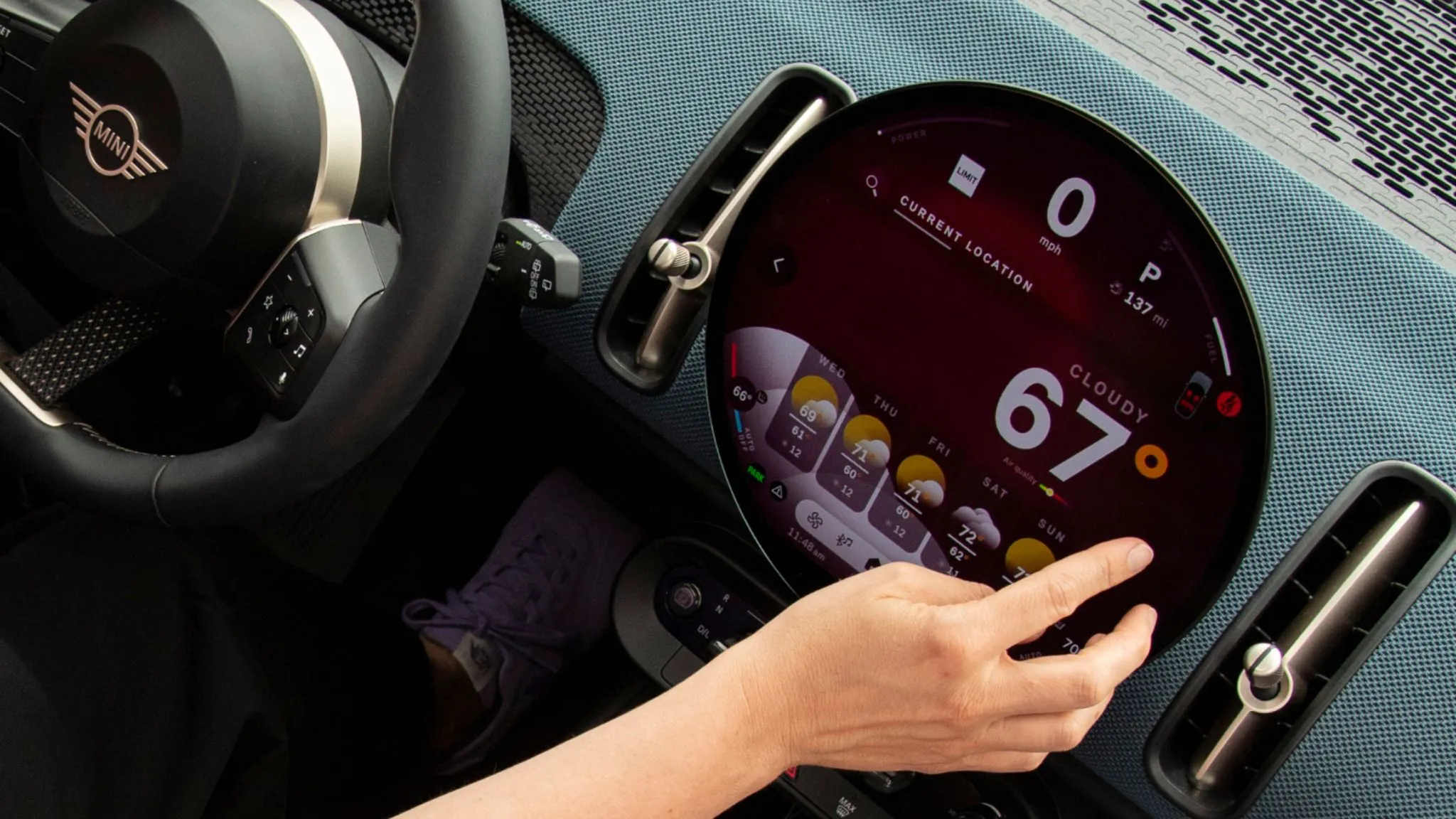
BMW M Digital Brand Identity
Before this project, every BMW M interface was essentially the standard BMW system with minor typographic variations. There was no distinct digital brand language for M.
I led the creation of an entirely new digital identity from the ground up: a custom instrument cluster with performance-focused gauges and widget functionality, a dedicated track mode, and a motion design language tailored to driving enthusiasts. We incorporated direct feedback from M Performance Center trainers and professional drivers into gauge behaviors and interface logic.
I also led the strategic evaluation of button reduction for the M brand. While BMW was trending toward fewer physical controls, we concluded that M-specific tactile controls were essential for high-performance driving — and developed a strategy for harmonizing physical buttons with the new touchscreen interface.
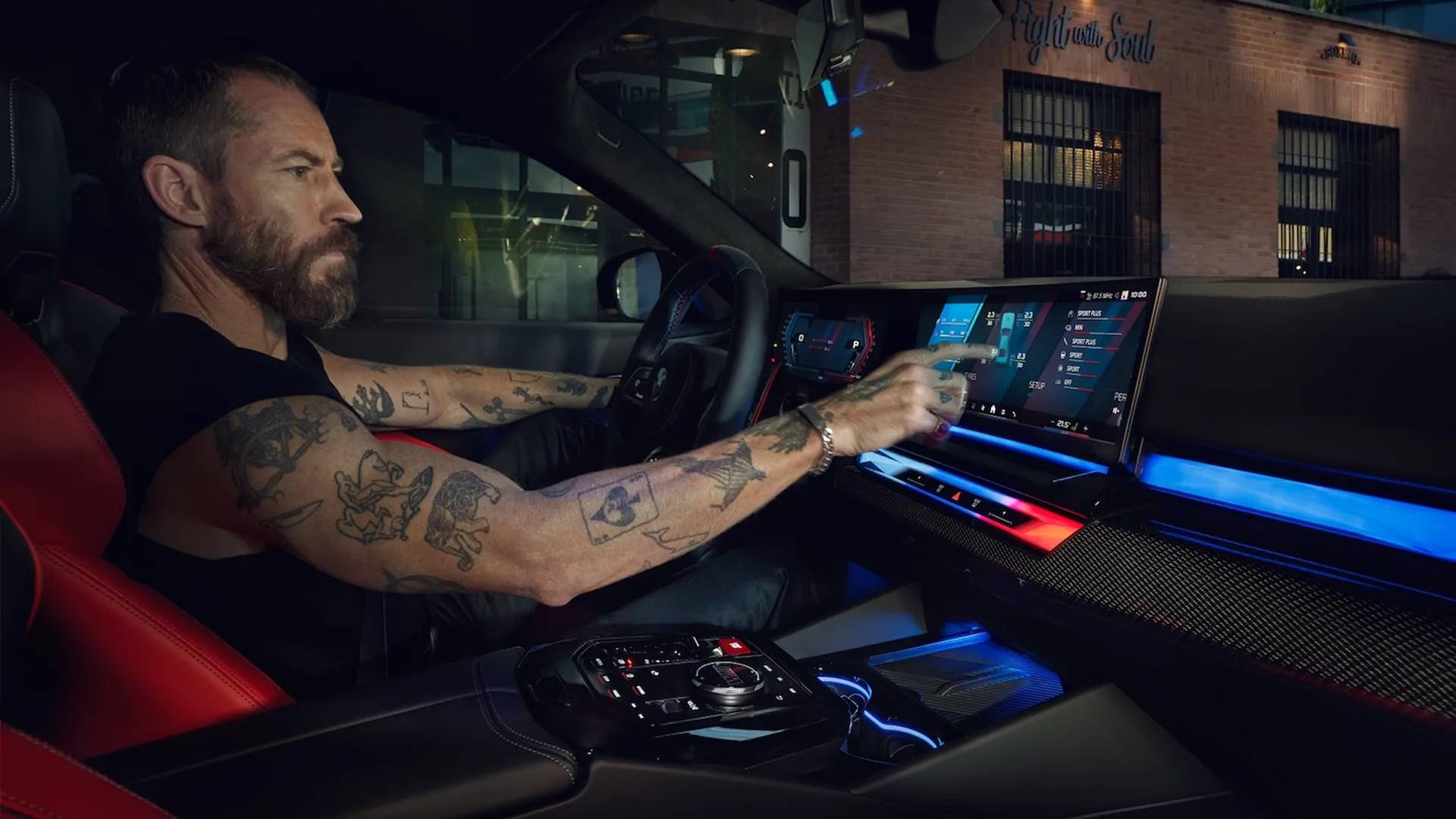
Los Angeles Street Transit Amenities Program
The City of Los Angeles set out to redesign its entire bus shelter network — over a thousand shelters — to improve the rider experience and prepare for the 2028 Olympics. Working with a consortium of local companies, my team led the experience and product design side of the program.
We defined what riders actually need from a shelter, designed ADA-compliant digital interactions, and specified the full hardware architecture: computing, e-ink displays, data connectivity, and dynamic lighting. Beyond the shelter itself, we developed the visual brand language, a companion mobile application, the content strategy for real-time transit information and community messaging, and the CMS that allows the city to manage all of it at scale.
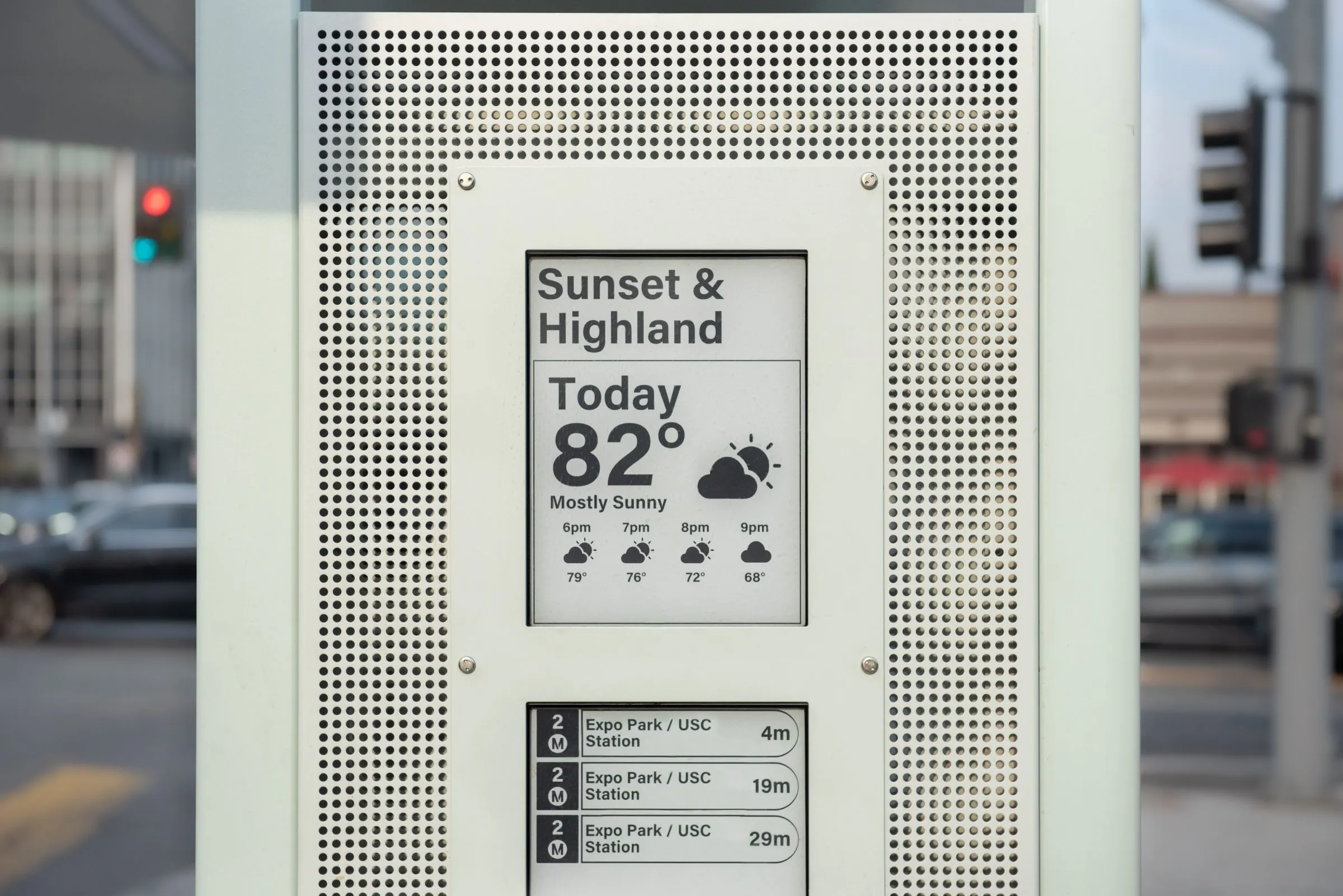
BMW i Inside Future & Interaction EASE
Two connected initiatives exploring the future of autonomous mobility. BMW i Inside Future (team of 30) demonstrated how Level 3 autonomy could transform the in-vehicle experience — health and wellness integration, entertainment, personal sound zones, a seamless dashboard display, and a floating holographic interface with haptics.
The concept’s success led BMW to fund a larger follow-up: Interaction EASE (team of 50), where I directed a global effort to envision on-demand mobility without vehicle ownership or steering wheels. How should an interior work when anyone can get in and the car drives itself?
Technology from these concepts — specifically the rear-seat display system — evolved into the Theater Display now in production BMW 7 Series vehicles.
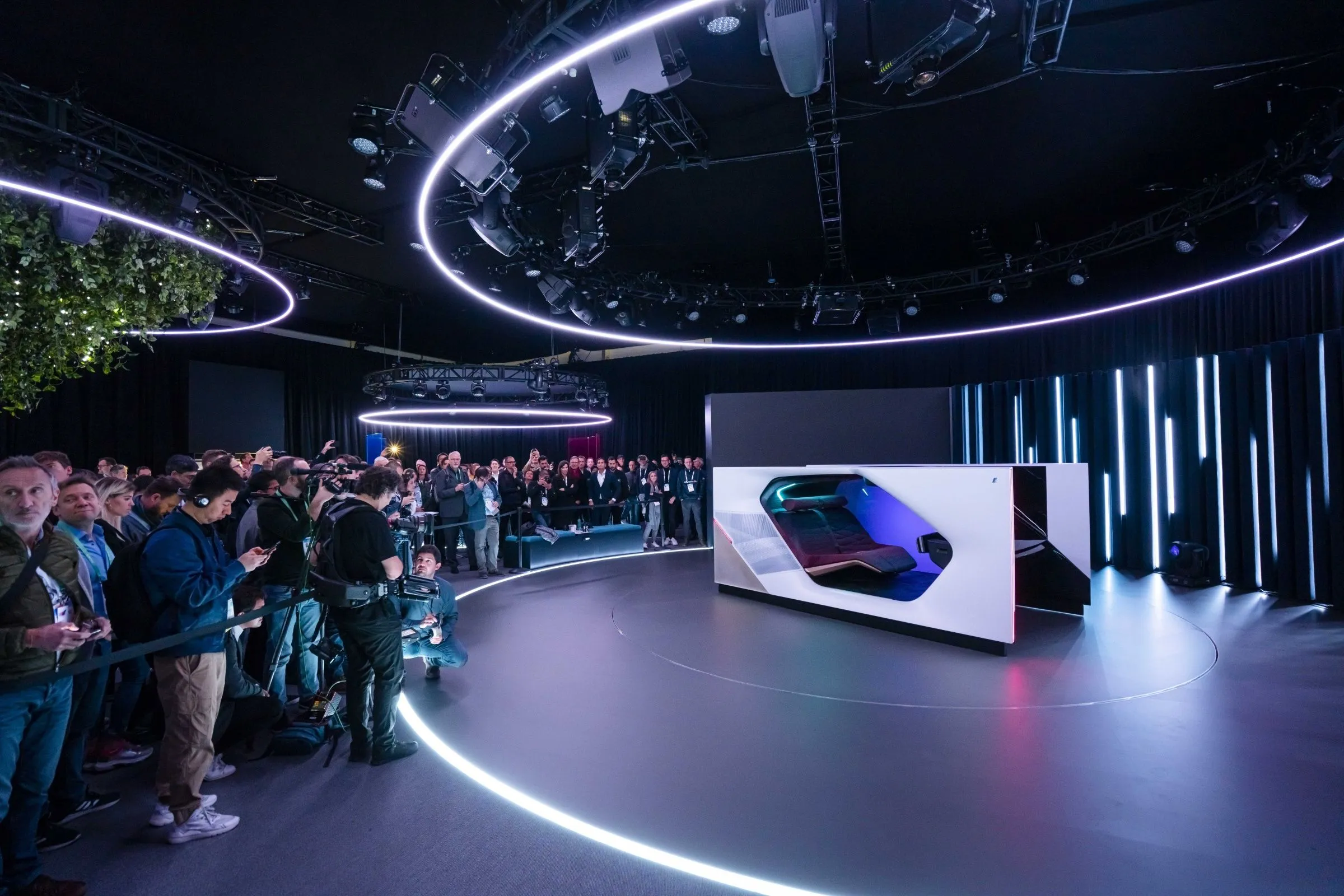
MINI Interaction Unit
I led UX principles definition and brand differentiation for MINI’s groundbreaking round OLED display — a form factor with no precedent in automotive. The challenge was defining how customers should interact with a circular interface and what makes it distinctly MINI.
I directed the sell-in to BMW management and the board of directors, establishing the design language, tone, and interaction behaviors for the new display. Beyond the screen, I led efforts to define digital touchpoints across the entire MINI platform: exterior lighting, interior projection, custom themes, and driver experience modes.